Managing a Hantavirus Cluster on a Cruise Ship: A Step-by-Step Guide for Health Officials
Step-by-step guide for health officials to monitor, trace contacts, and manage a hantavirus cluster on a cruise ship, using the MV Hondius outbreak as a case study.
Introduction
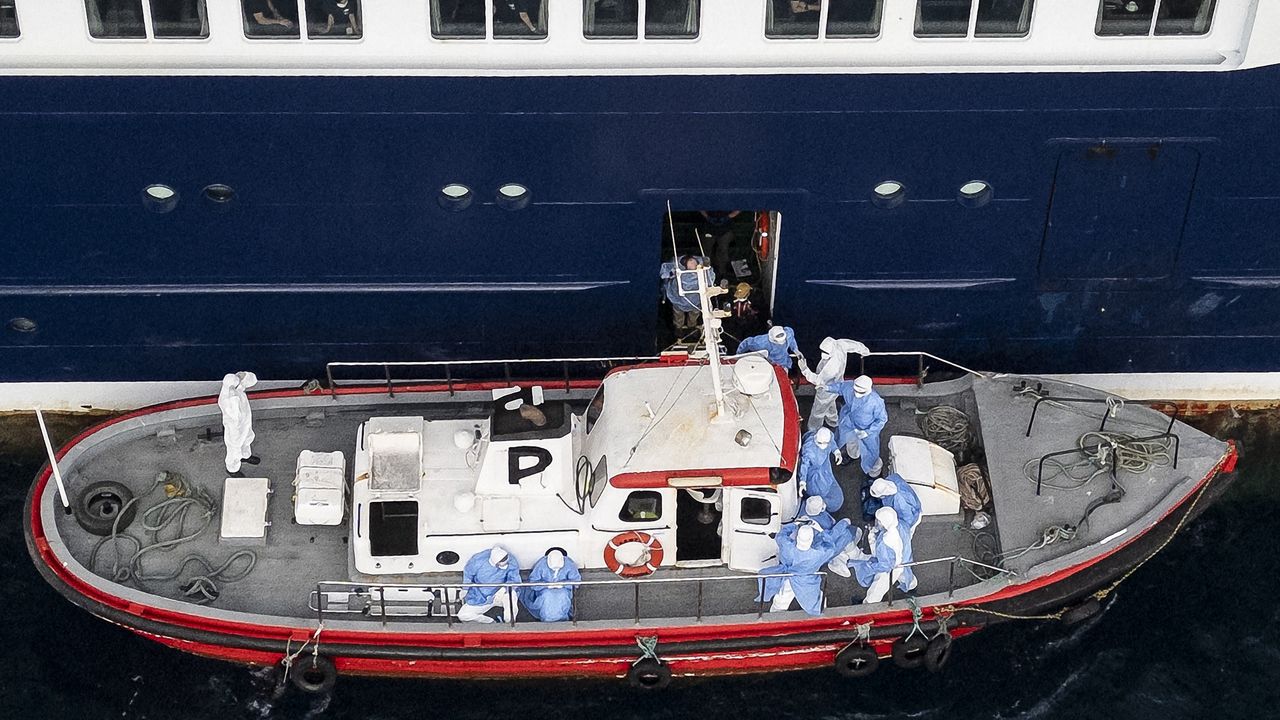
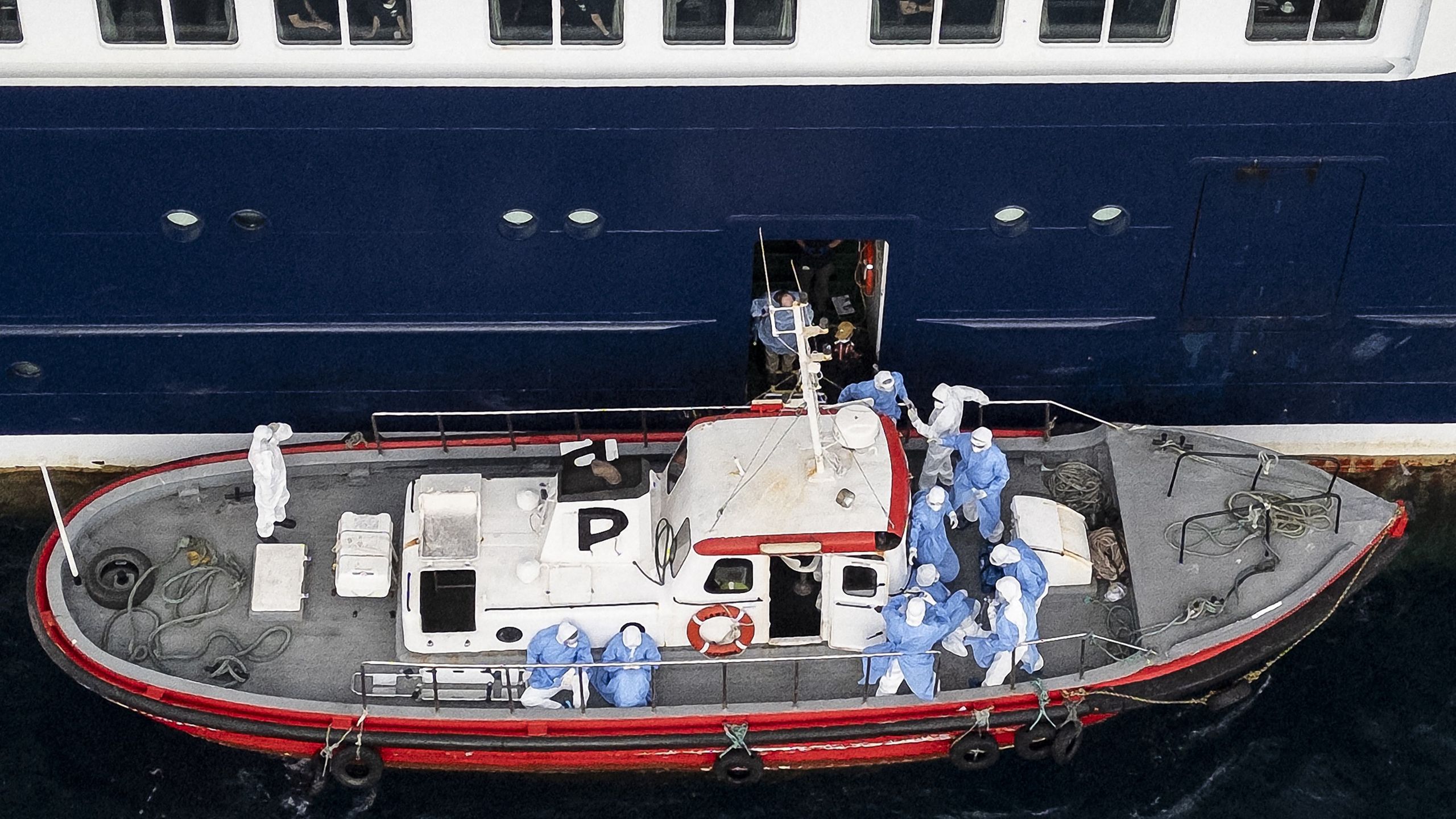
When a hantavirus cluster emerges on a cruise ship, such as the recent case involving the MV Hondius, health authorities face a complex challenge. Passengers have already disembarked across multiple US states, and the CDC is preparing official guidance while the ship continues its journey to Spain. This guide provides a structured approach for public health officials to monitor exposed individuals, trace contacts, and contain the outbreak effectively. Adapt these steps to your local protocols and resources.
What You Need
- Access to passenger manifests from the cruise line, including contact details and disembarkation locations
- Communication channels with the CDC, local health departments, and the cruise company’s medical team
- Laboratory confirmation capabilities for hantavirus testing (serology or PCR)
- Quarantine or isolation facilities for symptomatic individuals if needed
- Trained contact tracers and data management system (e.g., REDCap or state health database)
- Public messaging templates for passengers, crew, and the media
- Legal authority to issue quarantine orders or travel restrictions (confirm local statutes)
Step-by-Step Instructions
Step 1: Confirm the Outbreak and Activate Response
Immediately verify reports of suspected hantavirus cases by reviewing laboratory results and clinical symptoms (fever, muscle aches, respiratory distress). Contact the cruise line to obtain a full list of all passengers and crew who were on the MV Hondius during the affected voyage. Notify the CDC and relevant state health authorities in jurisdictions where passengers have disembarked. Establish a unified command structure with clear roles: epidemiological lead, logistics coordinator, communications officer.
Step 2: Identify and Prioritize Contact Groups
Classify individuals based on risk level. Use the ship’s manifest to separate those who have already disembarked (approximately 40 people in the current cluster) from those still aboard heading to Spain. For disembarked passengers, identify their current locations by cross-referencing with state health databases. Prioritize contacts by exposure type: close contacts (shared cabin, same dining table, direct care providers) require immediate monitoring; casual contacts (same excursion group) need notification and symptom tracking. Document all priority levels.
Step 3: Initiate Monitoring and Surveillance
For each identified person, begin a 21-day symptom monitoring period (hantavirus incubation range is 2–4 weeks). Use daily phone calls, text reminders, or a mobile health app. Instruct individuals to take their temperature twice daily and report any fever, chills, headache, or new respiratory symptoms. In states where multiple passengers are located (e.g., Florida, Texas, New York), assign local health department staff to perform active surveillance. Maintain a secure log of daily responses and escalate any symptom reports immediately to an on-call epidemiologist.
Step 4: Coordinate with International Authorities for the Ship in Transit
The MV Hondius is en route to Spain and expected to arrive Saturday. Work with Spanish health authorities (e.g., Ministry of Health) through the CDC’s global health security team. Request that Spain prepares a quarantine docking protocol. Ensure the ship’s medical team continues to monitor all remaining passengers and crew for symptoms. Provide them with testing kits and a direct communication line to your response team. Confirm that the cruise line has a plan for isolating any symptomatic persons aboard until arrival.
Step 5: Conduct Contact Tracing for Disembarked Passengers
Trained contact tracers should interview each of the 40+ disembarked passengers to reconstruct their movements after leaving the ship. Ask for a list of all close contacts (family, friends, coworkers) they interacted with after disembarkation. Use a standardized interview form that includes dates, locations, and duration of contact. Enter contact information into a secure database and initiate monitoring for secondary contacts. If any contact becomes symptomatic, test them immediately and isolate until results return.
Step 6: Prepare and Disseminate Official Guidance
As the CDC prepares its guidance, draft a preliminary version based on existing hantavirus guidelines (e.g., HPS recommendations from CDC and WHO). Include definitions, monitoring protocols, testing criteria, and reporting requirements. Distribute this guidance to state health departments, hospitals in affected areas, and the cruise line’s corporate office. Hold a coordination call to answer questions and ensure consistent application. Update the guidance as the CDC releases its final version, and notify all stakeholders of changes.
Step 7: Communicate with the Public and Media
Develop a clear, factual public statement that does not create panic. Emphasize that hantavirus is not airborne and person-to-person transmission is rare, but close contact precautions are warranted. Provide a dedicated hotline or website for passengers and their families to get updates. Prepare a media briefing with key messages: the number of monitored individuals, the status of the ship, and steps being taken. Monitor social media for misinformation and correct it promptly.
Step 8: Plan for Ongoing Monitoring and End of Surveillance
Continue daily monitoring for the full 21-day period from last possible exposure (for disembarked passengers, this is typically their departure date from the ship). Begin planning for the end of monitoring: confirm that no new cases have emerged among monitored contacts, compile a final epidemiology report, and offer post-exposure counseling. For the ship itself, coordinate with Spanish authorities to test all arriving passengers and crew before they disembark. Ensure that any case identified later is promptly reported through usual surveillance channels.
Tips
- Start tracing early. The first 48 hours after identification of a cluster are critical to prevent wider spread. Begin monitoring even before test results are confirmed if clinical suspicion is high.
- Use digital tools wisely. Secure platforms like REDCap or custom apps can streamline monitoring, but ensure they meet HIPAA and GDPR standards, especially when data crosses state or international borders.
- Engage the cruise line as a partner. They have the most accurate data on passenger movements and can assist in notifying contacts. Request a dedicated liaison.
- Prepare for language and cultural differences. Many cruise passengers are international. Have interpreters available and use multilingual symptom checklists.
- Maintain transparency. Regular updates reduce anxiety among passengers and the public. Acknowledge uncertainties without speculation.
- Document everything. Detailed logs and decisions will be invaluable for after-action reports and for legal or liability reviews.