The Eta Aquarid Meteor Shower: A Complete Viewing Guide
A comprehensive tutorial for observing the Eta Aquarid meteor shower, covering peak timing, best viewing locations, step-by-step preparation, common pitfalls, and observation tips for stunning results.
Overview
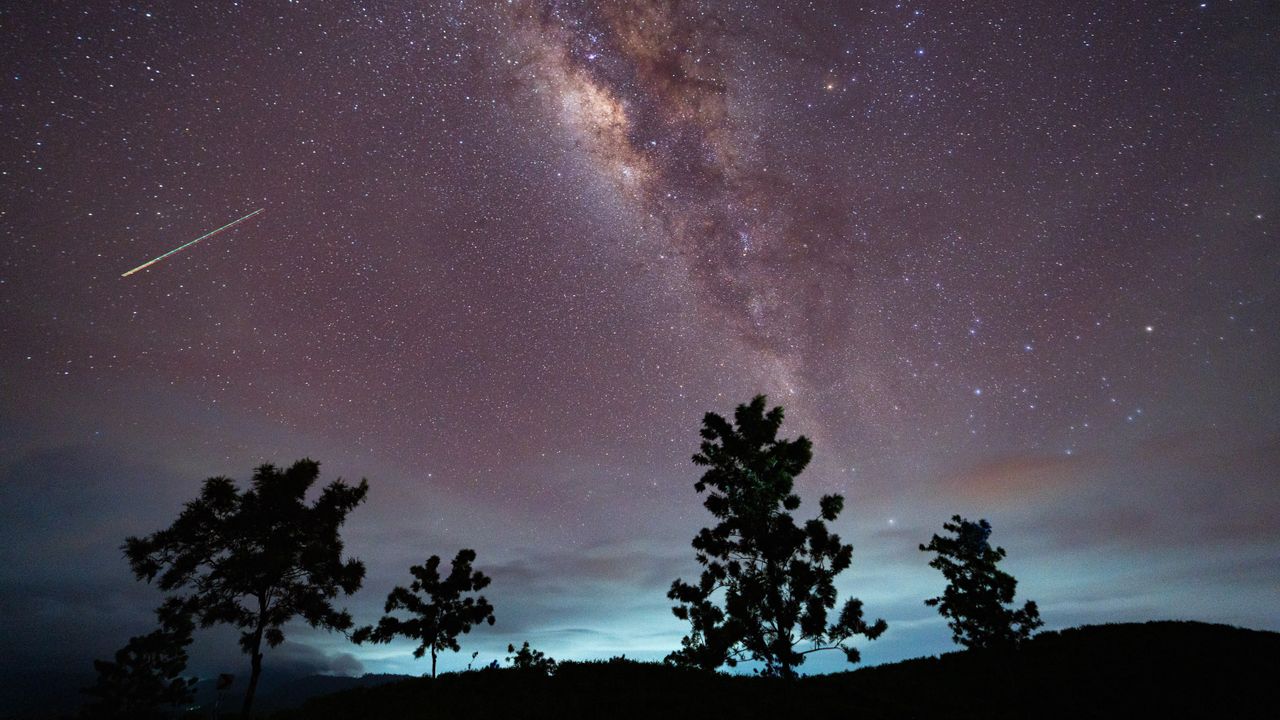
The Eta Aquarid meteor shower, one of the most reliable annual displays, reaches its peak activity in early May. Originating from the debris trail left by Halley's Comet, this shower produces swift, bright meteors that often leave persistent trails. Unlike the famous Perseids or Geminids, the Eta Aquarids are best observed from the Southern Hemisphere or tropical latitudes, but observers in mid-northern latitudes can also catch a decent show in the pre-dawn hours. During maximum, rates can reach 30–40 meteors per hour under dark skies, with occasional fireballs adding spectacular bursts of light. This guide will walk you through everything you need to know to plan a successful observation session.
Prerequisites
Time and Location
The most critical factor is timing. The Eta Aquarids are active from mid-April to late May, but the peak typically occurs around May 5–6. The best viewing window is between 2:00 a.m. and dawn, when the constellation Aquarius (the radiant) is highest in the sky. From the Southern Hemisphere, the radiant climbs higher, providing excellent viewing all night. For northern observers (above 40°N), the radiant barely rises above the horizon, so the number of visible meteors is significantly reduced—expect 10–15 per hour at most.
Weather and Moon Phase
Clear skies are non-negotiable. Check a reliable weather forecast for your chosen site at least 24 hours in advance. Additionally, the Moon’s phase strongly affects visibility. In 2025, the peak occurs just after a last quarter moon, meaning it will rise around midnight and create some interference during the prime pre-dawn hours. Plan to observe before moonrise or from a location where the moon is low on the horizon.
Equipment
No telescopes or binoculars are needed—they actually hinder your view of fast-moving meteors. The most useful items are:
- A comfortable reclining chair or blanket to lie on
- Warm clothing and a sleeping bag (early May nights can be chilly)
- A red-light flashlight to preserve night vision
- A star chart or astronomy app to locate Aquarius
- Optional: a voice recorder or notebook for recording observations
Step-by-Step Viewing Instructions
Step 1: Choose a Dark-Sky Site
Light pollution is the enemy of meteor watching. Use a light pollution map (e.g., Clear Sky Chart or Light Pollution Map) to find a location with Bortle class 4 or darker. A rural area away from city lights will dramatically increase the number of meteors you see. If you cannot travel far, try a local park or a rooftop with minimal direct lighting.
Step 2: Check Weather and Moonrise Times
Before heading out, verify the forecast for your chosen night. Cloud cover, humidity, and wind can all ruin the experience. Also, note the moon’s rise time for your coordinates. The TimeandDate Moonrise Calculator is an easy tool to use. If the moon is up, try to position yourself so a tree or building blocks its direct light.
Step 3: Set Up Your Viewing Area
Arrive at least 30 minutes before your planned start time to let your eyes adjust to darkness. Set up your reclining chair facing east-northeast (the direction where Aquarius will rise) and point your feet roughly toward the south if you’re in the Northern Hemisphere. In the Southern Hemisphere, face north-northeast. Avoid using any white light sources; use a red light flashlight to set up.
Step 4: Locate the Radiant (Optional)
While meteors can appear anywhere in the sky, they all appear to originate near the star Eta Aquarii (hence the shower’s name). To find it, first locate the constellation Aquarius using a star chart or app like Stellarium or SkySafari. The radiant’s approximate coordinates are:
- Right Ascension: 22h 20m
- Declination: -1°
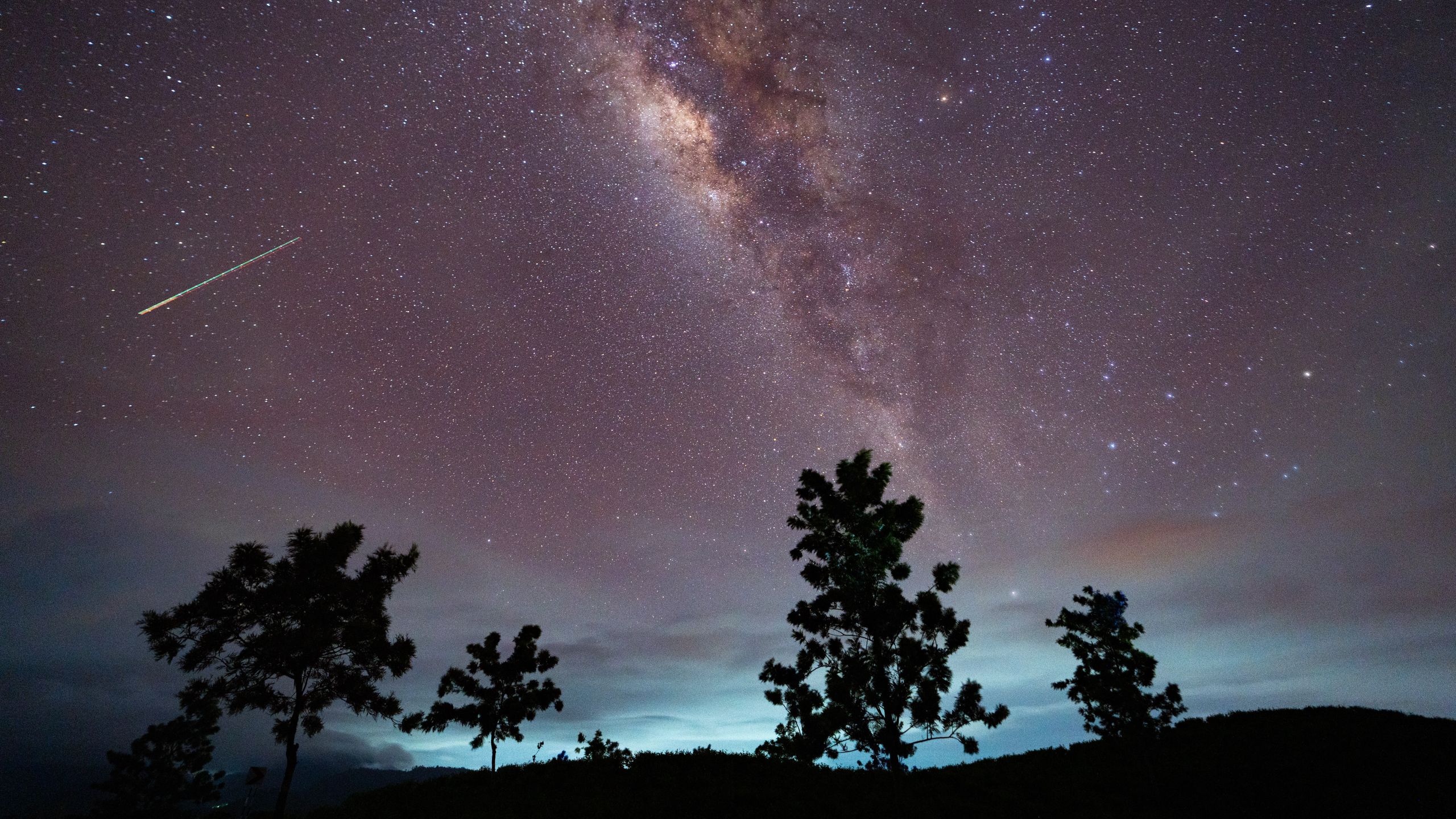
You can use these coordinates in a planetarium app to pinpoint the radiant. However, be aware that looking directly at the radiant will show you meteors head-on (very short streaks). Instead, scan the sky about 30–60° away from the radiant for longer, more dramatic trails.
Step 5: Watch and Record
Simply lie back, relax, and keep your gaze on the sky. Avoid checking your phone or using any white light. If you wish to record your observations, you can use a simple log format:
Time (UTC) | Number of Meteors | Brightness (1-5) | Notes
------------------------------------------------------------------
04:00      | 3                 | 3,4,2           | Two left trains
04:15      | 5                 | 2,2,3,4,3       | One fireball!
Continue for at least one hour after peak timing to collect meaningful data. For casual enjoyment, just sit back and enjoy the show.
Step 6: Post-Observation Cleanup
Pack out all trash, dismantle your setup, and allow your eyes to readjust to normal light before driving. Share your observations with a community like the American Meteor Society (amsmeteors.org) if you want to contribute to science.
Common Mistakes
Looking Only at the Radiant
Many beginners stare directly at Aquarius, expecting meteor streaks to radiate from one point. In reality, meteors become visible tens of degrees away from the radiant. Scan a wide area of the sky—preferably with your peripheral vision, which is more sensitive to motion.
Using a Telescope or Binoculars
These instruments have a narrow field of view, making it nearly impossible to catch fast, randomly appearing meteors. Your naked eyes are the best tool for this activity.
Ignoring the Moon’s Phase
A bright moon can wash out all but the brightest meteors. Check lunar conditions before your outing. If the moon is near full, consider postponing until after moonset or aim for a different shower.
Watching at the Wrong Time
The Eta Aquarids peak in the morning hours. Watching right after sunset will yield almost no meteors. Set your alarm for 3:00 a.m. local time if necessary.
Neglecting Weather and Light Pollution
Even a slight haze or distant city glow can halve your meteor count. Always scout your location during daylight and verify sky transparency using a clear sky chart.
Summary
The Eta Aquarid meteor shower offers a rewarding skywatching experience, especially for patient observers willing to venture out before dawn. Key takeaways: peak occurs May 5–6; best viewed from southern latitudes; require dark, moon-free skies; use no optical equipment; look away from the radiant; and comfort is crucial. With proper planning, you can witness one of nature’s finest light shows. For more details on meteor showers and observing tips, explore our other guides or join a local astronomy club.