10 Fascinating Facts About the Book That Launched a Generation of Programmers
Discover 10 key facts about 101 BASIC Computer Games: how a book of games taught a generation to code, launched careers, and shaped computing history.
Before drag-and-drop interfaces and app stores, there was the command line. For early computer enthusiasts, the only way to make a machine do something was to feed it lines of code painstakingly typed by hand. One book—101 BASIC Computer Games by David Ahl—became the gateway to a new world. Here are ten insights into this pivotal publication and the man behind it.
1. The Book Began as a Collection from a Magazine
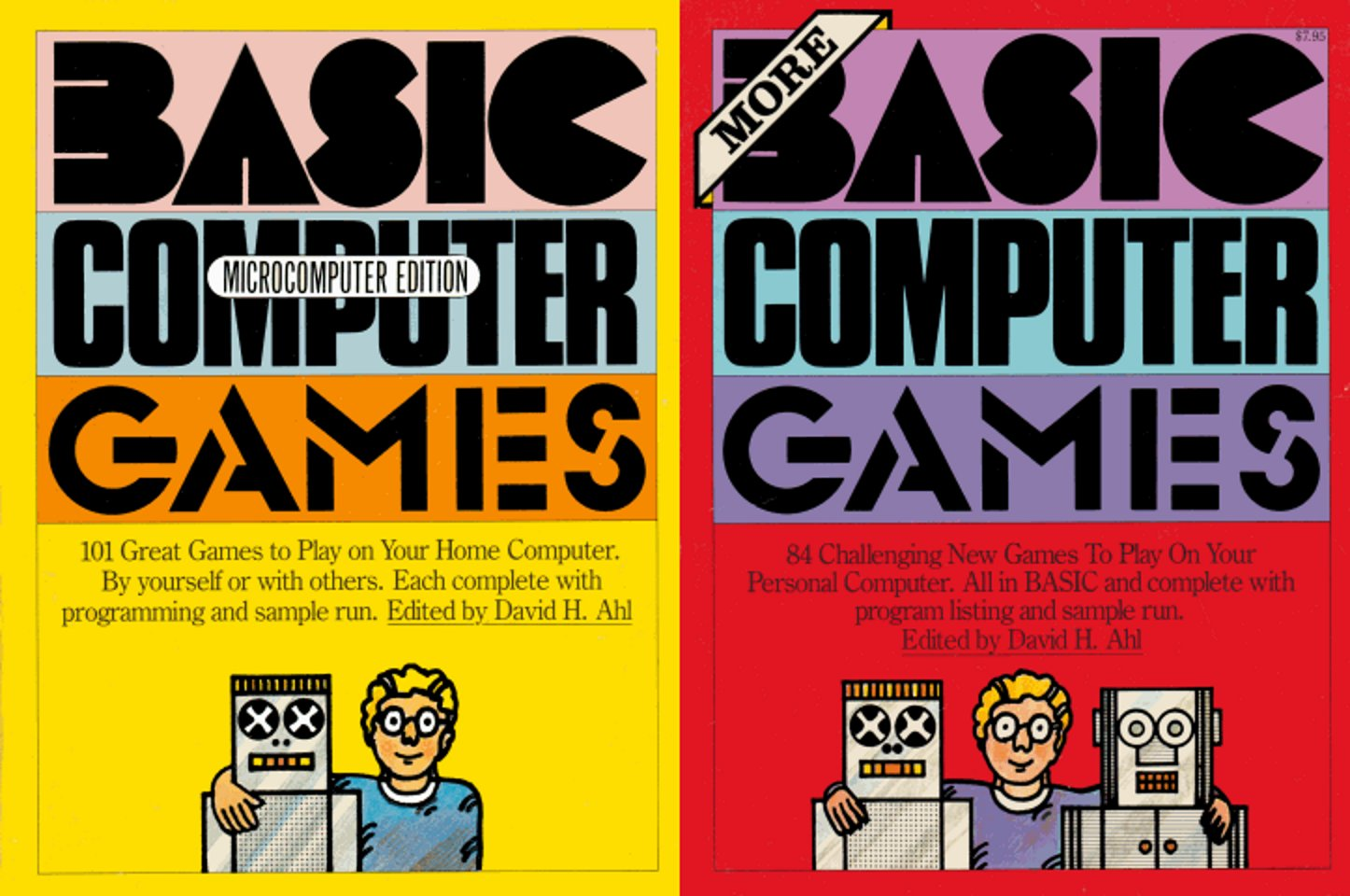
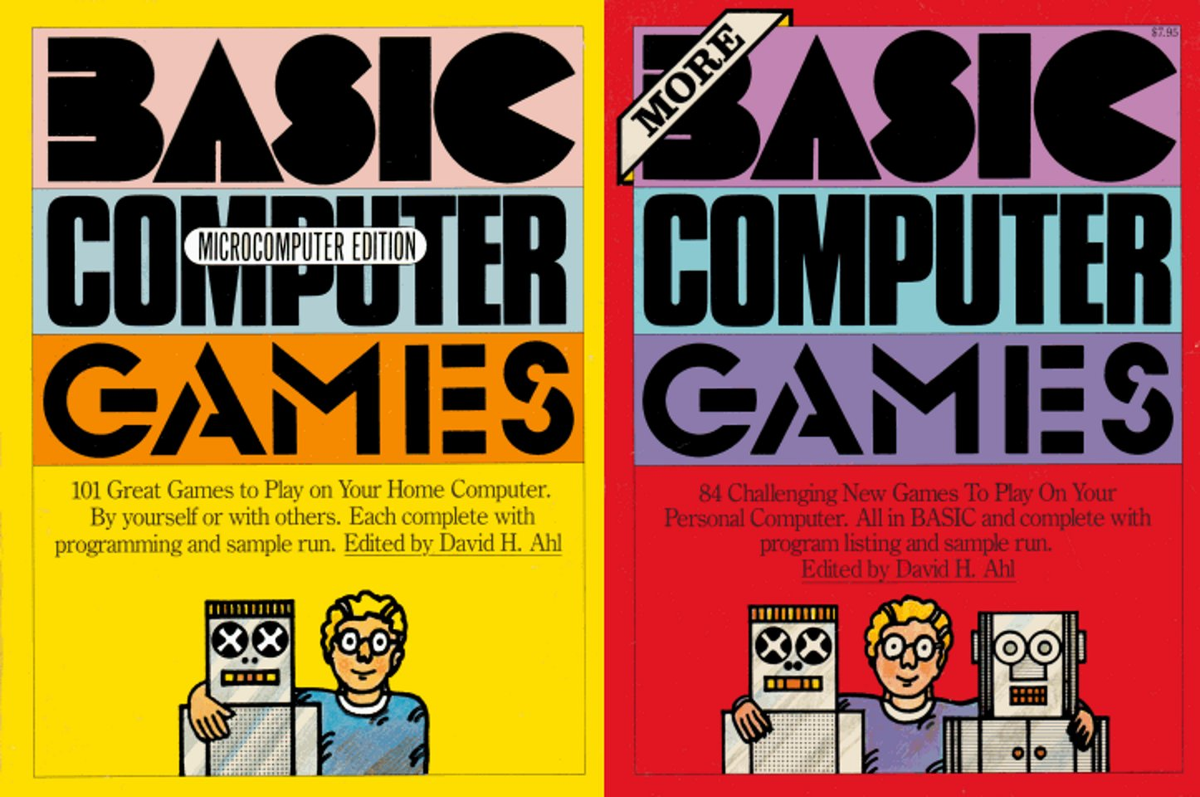
David Ahl, the editor of Creative Computing magazine, gathered the most popular games from its pages and compiled them into a single volume. The magazine itself had been gathering a loyal following since the mid-1970s, and the book served as a “greatest hits” compilation. Readers could now access their favorite games—such as Lunar Lander and Hammurabi—without hunting through back issues. This anthology was more than just a fun read; it became a practical manual for learning BASIC programming through hands-on play.
2. Ahl’s Early Career at DEC Was a Stepping Stone
Before founding his own magazine, Ahl worked for Digital Equipment Corporation (DEC). There, he ported a set of educational games from the FOCAL programming language to BASIC in 1971. This conversion opened the door for a broader audience, as BASIC was the standard language on the emerging personal computers. DEC published the first edition of 101 BASIC Computer Games in 1973, but Ahl retained the rights when he left the company. That move proved crucial for his next venture.
3. The Book’s Publishing Was a True Bootstrap Operation
When Ahl launched Creative Computing in 1974, he had only 600 subscribers. Rather than print just 600 copies, he gambled his entire budget—half of all the money he had—to print 8,000 copies. He recalls the euphoria of seeing the magazines roll off the press fading to dismay when he realized he had to get 320 bundles out of the building. After three trips, his basement and garage were full. He mailed the subscriber copies the next day, but spent three weeks hand-pasting labels on the remaining 7,400 copies and sending them unsolicited to libraries and schools.
4. It Was the First Mass-Market Computer Book
Before 101 BASIC Computer Games, most computer literature was technical and aimed at professionals. Ahl’s book was accessible, fun, and required no prior experience. It sold hundreds of thousands of copies worldwide, making it arguably the first bestseller in the home computer genre. For many readers, it was their introduction to programming, and it helped demystify the machine sitting on their desk.
5. The Game Code Had to Be Typed by Hand—No Exceptions
Early personal computers lacked built-in storage; a cassette tape drive was a luxury. If you wanted a game, you opened the book and typed in the entire program line by line. A typical game might be several pages of BASIC code. Typing errors were common, and debugging was part of the learning process. This manual entry turned reading into an active, engaging practice, cementing the skills of thousands of budding programmers.
6. The Timing Could Not Have Been Better
In 1977, the “trinity” of affordable microcomputers—Apple II, Commodore PET, and TRS-80—hit the market, all with BASIC built in. Suddenly, a wide audience could run the programs from Ahl’s book. The book was already in circulation, and its games were perfectly matched to the capabilities of these new machines. The timing created a symbiotic boom: the computers popularized the book, and the book taught people what the computers could do.
7. David Ahl’s Magazine Was the Book’s Incubator
Creative Computing magazine, which Ahl founded in 1974, was the place where many of these games first appeared. Ahl wrote articles, drew illustrations, arranged typesetting, and even pasted labels by hand. He was a one-man production team. The magazine’s success gave him the content and audience to compile the book. Without the magazine, 101 BASIC Computer Games might never have existed—it was the testing ground for the games that later became classics.
8. The Book’s Legacy Extends Beyond Gaming
While the book is famous for games, it also taught fundamental programming concepts: loops, conditionals, arrays, and input/output. Many readers wrote their first computer program from these pages. The skills transferred directly to real-world applications. A whole generation of engineers, scientists, and hobbyists trace their start to this single volume. It didn’t just entertain; it educated.
9. Ahl’s Decision to Keep the Rights Was a Smart Move
When Ahl left DEC to start Creative Computing, he acquired the copyright to the book. This allowed him to publish new editions, sell foreign rights, and control the content. It also meant that when the microcomputer boom arrived, he—not his former employer—reaped the rewards. This business savvy is a lesson in intellectual property: owning the rights to a product can be more valuable than the product itself.
10. The Book’s Influence Is Still Felt Today
Many classic games in 101 BASIC Computer Games have been recreated in modern languages and are still played. More importantly, the book’s “learn by doing” approach has inspired countless coding tutorials and interactive programming environments. Sites like Codecademy and freeCodeCamp use similar hands-on methods. The book showed that programming could be accessible, social, and fun. For those who grew up with it, it wasn’t just a book—it was the spark of a career.
From a basement full of magazines to a world of programmers, 101 BASIC Computer Games transformed how people interacted with computers. It proved that a simple collection of lines of code could unlock creativity and shape an industry. Even in today’s app-driven world, its legacy reminds us that sometimes the most powerful tool is a book, a keyboard, and the willingness to type.